UNEXPIRED: THE ORIGINAL SUPERMODEL HASN'T PEAKED, NEITHER HAVE YOU!


Success does not come from saying yes to everything. It comes from knowing exactly what you refuse to trade.
80s supermodel Kim Alexis sits down with Mike Broomhead to pull back the curtain on early fame in New York, Rome, and Paris at just 18, where pressure was constant and boundaries were tested fast. She shares what it looked like to navigate an industry where opportunity often came with conditions, and how choosing her values over access shaped everything that followed.
From teenage athlete to international model to broadcast work, her journey shows what it takes to stay grounded when attention, money, and influence move fast. She breaks down the discipline, clarity, and decision making that kept her from losing herself in the process.
Listen to hear the real cost of protecting your values in high pressure environments, and what it can teach you about the choices shaping your own life right now.
00:00 - The Line You Never Forget
01:10 - Why Kim Starts A Podcast
02:39 - From Swimmer To Sudden Model
06:44 - Family Support And First Big Leap
09:35 - Rome And The Cover Pressure
18:48 - Safety Gaps And Learning Boundaries
24:46 - Teaching Kids And Protecting Them
27:58 - Reinventing After Modeling Peaks
30:06 - Learning Live TV At GMA
34:50 - Body Criticism And Lasting Scars
37:54 - Value Based Confidence Versus Image
41:09 - Becoming A Supermodel By Accident
43:34 - Motherhood Fame And Loneliness
51:09 - Choosing Natural Aging And Wellness
57:55 - Faith As Protection And Purpose
01:00:22 - Social Media Authenticity And Feedback
01:02:13 - What Unexpired Is Really For
01:08:52 - Closing And Where To Connect
The Line You Never Forget
SPEAKER_00
If you want the cover of the magazine, you've got to sleep with the owner. Don't ever be so desperate that modeling is your only hope and that's all you've got left, because you will be put in these weird situations where people want you to do things in order to get ahead. I had to learn to walk out of studios where people were angry with me because I wouldn't take my clothes off. If I had to do X in order to be successful, I was out of there. Somebody used that term supermodel, and I'm like, who is that? And they said, you are darling. And I said, what? And they said, yeah, you're a supermodel. And I said, oh, okay.
SPEAKER_01
Hi, I'm Kim Alexis. Today in Paris, Patri Kelly is showing his collection of spring clothes. Hi, I'm Kim Alexis with your ticket to adventures.
SPEAKER_00
I'm Kim Alexis, and I'm here in New York City, here at Cafe Max with Chef Oliver Sauce. Hi, everyone. I'm Kim Alexis, your trilogy wellness ambassador. Hello, everyone. I'm Kim Alexis, and I'm back this month to share a message about something I've learned throughout my life.
SPEAKER_01
We've got a great show coming up for you, so stay tuned.
SPEAKER_00
Hi, I'm Kim Alexis, and I am so excited. This is my very first podcast. And I really wanted to bring on a special friend of mine, Mike Broomhead, who is very good at pulling out. Number one, we're friends. And number two, I wanted him to pull out from me why I'm doing this podcast. I think if you could put one word on my tombstone, it would be inspired. So I want to inspire other people. I want to encourage other people. And the reason why will be with Mike and I being able to talk and give you a little glimpse into who I am and why I'm doing this. So welcome, Mike. Thanks for being here.
SPEAKER_03
I am really honored that you asked me to do this. Our meeting, I think I want to start at the beginning of the first time you did my podcast.
SPEAKER_00
Yeah, that was great.
From Swimmer To Sudden Model
SPEAKER_03
It was within minutes, it felt like we were friends forever. And for full disclosure, I'm an 80s kid. So the name Kim Alexis, I was so familiar with as the supermodel Kim Alexis, and I really expected to be a little bit intimidated by the interview. Maybe you'd be a little aloof. But I was naughty. Yeah, exactly. I didn't want to say the word, but so I'm hoping we can dive into what some of the things you talked about maybe even deeper. Because the beginning for you, um, it wasn't intentional necessarily. But can you start off with how you ended up or where you began that modeling career that ended up launching you into super startup? How basic did that start?
SPEAKER_00
Well, main, I mean, even to start, who knew? I was 17. I was busy in school. I was in the band, I was in the concert in the marching band. I was an honor society student. So I was focused on grades. I was swimming five and a half hours a day, and I was working in a drugstore for$1.98 an hour, way back in 19 probably 77 or so. And so I had no clue. I was never focusing on the outside of me. I was focusing on swimming fast, being great for my parents. I never wanted to be a problem kid, um, and and having good grades.
SPEAKER_03
What was the dream though? Did you have a dream?
SPEAKER_00
I wanted to be, I thought I wanted to be a pharmacist. When you're 17, you go into the the um guidance counselors and they're like, so what do you want to be? I'm like, I thought of a vet, but I get sick watching, you know, uh operations and goo and gunk, and that was not me. But uh maybe a marine biologist, and I was very good at math and science. So I thought it would be something in that area. So I chose pharmacy. And when I look back on now, why I chose pharmacy was probably the cause and the effect. If you take this, this will happen. And so that has translated not only into my life with choices I made. Like if I if I choose this, this might happen. And that's what probably kept me alive in New York City, but it also, even in the pharmaceutical type area. I think if I'd studied pharmacy long enough and I was registered in college, I was supposed to go to the University of Rhode Island, I was already on their swim team at 17 in my senior year in high school. I thought I had my whole life planned. But I probably would then later would have gone into natural medicine. And so that's what I've studied now. So now I'm an integrative health practitioner.
SPEAKER_03
You're the second person I've met. My producer on my radio show, Patricia, dream was to be a pharmacist. And I didn't understand that, and she ended up it kind of in the media world as well. Right. I would like to know what your family thought when it became apparent that people wanted you to be a model. That's a that is such a it is so different from what you just said in the home life. What did your family say to you?
SPEAKER_00
But I think I grew up, I have one sister, and my sister and I grew up with my parents saying, you can do anything you put your mind to. So we were into dabbling to art class, and I took piano lessons. I was doing all sorts of other things. And to me, I was it was all okay, and I was busy, taxed out. I don't know. My mother must have wanted us to just fall asleep immediately because you know, swimming was important, and uh it just was okay to keep adding more stuff on my plate, and it was okay to try new things, and my parents always believed in that and they were very supportive. So when the modeling opportunity came up, it was like, okay, I'll give it a try. I had no idea it was gonna go where it went, but I thought I'd give it a try. So I put college off for a year and turned 18 in the summer. So I graduated high school at 17. I turned 18 in July, and two days later I was in New York. Two days after that, I was in Rome and Paris.
SPEAKER_03
That's so remarkable.
SPEAKER_00
And your parents were supportive. My parents were supportive. And I think my mom said, if I didn't raise her in those first 18 years, then you know she was on her own type thing.
SPEAKER_03
But every parent's concern isn't so much for their child, but who may be out there lurking for their child. And I know we're I want to get into some of that, but wasn't there a concern that here you were, someone that wasn't brought up in this industry, and now you're basically being thrown to the wolves, and these predators are going to chew you up and spit you out. Wasn't there some of that?
Family Support And First Big Leap
SPEAKER_00
There was, and my mom lost a bunch of weight, I think, worrying about me. My sister is younger, so she was still at home. Um, but there was also this point where they thought I I don't think they realized how bad the business could be or the situations I could have been put in, but they did know they raised me a certain way. And I mean, because what parent can prepare you for certain situations that I was in, like, okay, if this person says this, or if you're in a room by yourself with a man and he does this, this is what you do. I didn't know that, but I had the self-warewithal to say, pfft, that's not happening.
SPEAKER_03
Okay, so let's we we've got to jump into that because it is different. I think you're being too humble. There is a difference between what people face in their everyday lives, and you turn 18, you're in New York, and two days later, you're in Rome and Paris. There's a difference. And there's a different circle of people that have different entitlements and different sets of values. Right. And you were thrust into a situation where many girls would do whatever they were asked if they thought at the end of that road was something that they wanted. Right. Can you talk a little bit about that? Because I think it's a warning to younger people in general, but I also think it's a testament to your character of what some of what you really had to face.
SPEAKER_00
I think part of that stems from I didn't care enough about the modeling business to do whatever it took to get ahead. If I had to do X in order to be successful, I was out of there. And that was the big difference, I think, is I never was desperate. It was never my last resort. I had a great family behind me, and I had college and my education as part of what I could fall back on. And so when I teach young girls, I try to say, don't ever be so desperate that modeling is your only hope and that's all you've got left, because you will be put in these weird situations where people want you to do things in order to get ahead. And I was like, that's not happening. There's no way.
SPEAKER_03
Can you? I'm not asking you to name names. I mean, feel free, but can you give us some real life examples? Because this is where the difference lies.
Rome And The Cover Pressure
SPEAKER_00
Yeah. So when I first went to Rome, it was for Italian Bazaar. And it was the Hokatour. So Hokatour is your high fashion. And you've got people coming off runways, the clothes are coming off the runway, and Bazaar would get the clothes for X amount of time, and then they'd have to give them to someone else. And so we were almost on call 24 hours a day as a model, which I didn't even realize. But so we're on call. So when the clothes come off, then we're out there and we're creating and doing whatever. So when I first got to Rome, I remember seeing this young girl, and she was, and we were in five-star hotels. It was beautiful. Um, and so there's this girl, and she's running through the lobby, and it's July, and she has on a white dress, and you could tell she had on nothing underneath it. Now, I had flown across country overnight in a dress with pantyhose, like my mother had taught me, and like totally like dressed up. We used to dress up to go on an airplane. I don't know if anyone remembers that, but back in the day, we used to dress up to go on an airplane. Now people look like they've come off the beach, right? But back then, all right.
SPEAKER_03
I'm a little guilty of that, so let's go take it easy.
SPEAKER_00
No, I'm not taking it, it drives me crazy. They're in flip-flops and they look like slobs. People look like slobs getting on a plane nowadays. Um, anyway, so I overdid it. I was in the pantyhose and was dumb, flying overnight, and I was very miserable. But I get to this hotel and this girl is literally running through the lobby. She was one of the models, and she could tell she had nothing on. She was like, Oh, and they're like, Oh, she's sleeping with the owner of the magazine. And if you want the cover of the magazine, you've got to sleep with the owner. And I go, Oh, well, then I don't want the cover of the magazine, you know. So I was like, didn't know anything, but just green as could be.
SPEAKER_03
And do you think that helped you? Sorry to interrupt. That the fact that you weren't necessarily aware of the prestige that everybody was chasing this in this industry. Do you think that was part of it? Do you think if you had understood the prestige that there might have been a little bit more intimidation?
SPEAKER_00
Probably, yeah. I I think it was in a way good to be ignorant and green. Uh and just I was willing to try. I mean, I'm in a new industry, in a new country, right? Everything was new to me.
SPEAKER_03
Um but you didn't just get thrust into a new industry. You got thrust into the pinnacle of a new industry. You know, I was a high school football coach, and now I'm on the sidelines coaching in the Super Bowl, and that really is the comparison. You were world class overnight. Right?
SPEAKER_00
Yeah, at 18. Yeah. Yes. And also I think what's interesting is that I went from not even a month before being under the um what would you call it? I had my parents to to uh answer to, I had coaches, I had teachers, I had rules to follow. When I went to New York City and then right away to Rome, I didn't have any rules. I was able to just be myself and I could go to bed when I want, I could eat what I want, I could have drank. Back then you could drink at 18. And so I had to learn a bunch of new parameters. But this whole situation with um being in the magazine or being working with the bazaar and thinking that the cover was the I didn't even know covers were the be all end all. I was so busy when I was younger, I didn't read the magazines. It wasn't like I poured over these magazines and say, oh, someday I'm going to be a model. And no, because I was busy swimming and playing the clarinet and doing my homework. And so in a way, I think that it was good that I didn't have this, oh, if I don't do this, I'm not gonna get this, or I won't get ahead, or I just figured I would just move on and try something different.
SPEAKER_03
But it doesn't get easier when the more you get recognized, because the more you get recognized, the more people want to consider I hate saying this, consider you a conquest.
SPEAKER_00
Yeah.
SPEAKER_03
Am I wrong?
SPEAKER_00
I don't know. That's a guy thing.
SPEAKER_03
I think that's a good one I'm talking about guys, and what I'm saying is for you, it wasn't as if you put your foot down because you were ignorant with this the owner of the magazine and said, No, I don't want the cover. But you've had you've had to have had very important, very wealthy, prominent people try to entice you.
SPEAKER_00
Right. I think to me, it was like, I don't want to play that game. I just there must have been something inside me uh growing up seeing that certain things were just not worth it. And going down certain paths were again cause and effect. You go down this path, this is what you're gonna get. And I would self-analyze without knowing it at 18. I would self-analyze, ooh, okay, well, this means then that's gonna happen. Or if I try, what am I thinking here? Why am I upset? Or why am I this? So I spent a lot of time talking to myself in asking questions like which way do I want to go?
SPEAKER_03
Did you get along with the other models?
SPEAKER_00
I did. I did. I didn't understand some of them, like the girls no wonder we're on. Um, but yeah, I had some close friends right away, and they're still friends today, almost 50 years later.
SPEAKER_03
When you were all going through the same thing but doing it in different ways, how did you handle that? Like if you got to know the girl you were talking about, how did you then deal with her as a friend, realizing she was probably doing something that was going to lead her down the wrong road?
SPEAKER_00
Um, I was not an advisor to people. I just kind of let them do their own things and uh loved them for who they were. Um, but that trip in Rome, um, I got separate. So I was in a room with these girlfriends, and they literally pulled me out and they put me in a room next to the owner of the magazine.
SPEAKER_03
And did you know that's the room you were going to?
SPEAKER_00
No, I didn't know why they were moving me. And I ended up sleeping because we had been working around the clock in the middle of the night, and so I'm like, oh great, I get to go to sleep. The it was a uh a dividing door from a joint room, and the owner kept coming over in Italian and asking me if I needed anything, or I don't know what he was saying in Italian, but he kept waking me up, and I just kept saying no, and I didn't need anything, and kind of finally he went, he asked me finally something, I think in broken English, and I said, A bottle of water, and he put the water down and stormed out of the room, and I never saw him again.
SPEAKER_03
But did you know he was the owner of the magazine?
SPEAKER_00
I I can't remember back then if I did. I probably did, but I didn't understand until later what his intentions probably were. Um, but four days later I had that cover anyways.
SPEAKER_03
Wow. Do you have any idea what changed his mind?
SPEAKER_00
Did you ever find out why they gave you the ultimatum and then ultimately uh well, I I mean, if I look back now, which I didn't know when I was younger, I was a cover girl. I mean, I had over 500 covers of magazines, so it was my face that sold magazines, and I think they saw that. And that's just the launch of which way I went. I was more a beauty girl than I was a runway girl.
SPEAKER_03
When you look at first of all, I have to ask this do your parents know these stories?
SPEAKER_00
Yeah.
SPEAKER_03
How many years later?
SPEAKER_00
Um I don't think yeah, I probably didn't call them then. I don't remember. So I think a portable.
SPEAKER_03
But you know that's every parent's nightmare. My daughter's on a plane, she's in Europe, she's 18, she's beautiful, and she's got the owner of a magazine walking into her bedroom asking her if she needs anything. Right. That is every father wants to kill that person.
SPEAKER_00
Right, right. And my dad probably did. So yeah, I probably then didn't tell him.
SPEAKER_03
Okay. That's was the I wonder how many years we've all had that time in our life when we get to be adults that we tell our parents what we've gotten away with when we were kids. Yes. But I would imagine to share that with your parents had to be nerve-wracking for them.
SPEAKER_00
Right. But also as a parent, I am a mother of three sons. I'm glad I don't know some of the things they did. Right. Right? Last night, Jeff and I were driving home, and some motorcycle kid, we were going 85, sorry, and this motorcycle flew by us, and I'm like, that boy has a mother somewhere, and that mother does not know that he's going 100 miles an hour down the road. Right? Yeah. You don't want to know certain things about your kids until later, and that there's they're fine.
SPEAKER_03
Okay, except I'm gonna be the one that apologizes now for being sexist. It's different with girls and boys because we're talking about two different kinds of threats and danger. Right. You know, it's true. My little girl is in Europe and I can't get there, and now I know what kind of people she's surrounded by.
SPEAKER_00
Right.
SPEAKER_03
And it didn't get easier.
SPEAKER_00
Right. And I looking back, I don't know who put me in that position. I don't know if the agency allowed it. I'm not sure if it was just the magazine. Um, but you're not protected. You are on your own. I traveled the world on my own, and I didn't have people except for a phone call saying, uh, what should I do in this situation?
Safety Gaps And Learning Boundaries
SPEAKER_03
Um, the reason why I'm asking these questions is because we all remember, we all see the glamour. Right. You know, we see the movies, we see the movie stars, we see the supermodels, and we see the sports illustrated photo shoots. What we don't see is the everyday life where everybody's gonna, oh, poor you, the supermodel. But there were real trials and there were real dangers, and there were real predators out there that would have been were not only willing, attempting to take advantage of you and other girls.
SPEAKER_00
Right. And I grew up with just a sister, so I didn't understand how boys thought until I had sons and they got older, and I could hear them with not that my my boys are not gross and disgusting, but you know, kind of that men think differently. It's what makes the world go around in a way. I mean, if men are not pursuing women, there's gonna be no society in the future.
SPEAKER_03
Um if you don't mind, um, you had told me a story on my podcast, so I feel comfortable asking you this. Um, one of your sons was doing some modeling.
SPEAKER_00
Yeah, so Jamie, my oldest, went to Miami, and his agent was one of my former model friends, which was.
SPEAKER_03
But didn't he get discovered and they didn't know that he was your son?
SPEAKER_00
No, they knew. Well, they did know. Yeah, they did know. Yeah. Um, my middle son, actually in high school, got asked, you know, they come home, so there's talent scouts that go to your school, and he comes home. He's like, Yeah, mom, they think that I could do this and this and that. And I'm like, wait, who asked you to do that? I said, Do you want to model? He's like, Well, I don't know, but they said I could make all this money and this and that. And I'm like, Okay, well, give me the name and let me talk to him. And so with my middle son, Bobby, I ended up calling. I'm like, Do you understand who whose child this is? If I want him to go to a modeling agency, I'll go take him myself. They're like, Oh, sorry, Kim. So, yeah, but my oldest one was in Miami for three months, but his big beef was that um, number one, he's a big strong guy. He always had big muscles. He was a big guy when he was a baby. He was a big guy and he's older, he's six foot two and he was like 225 pounds. These models are, you know, six feet and 140 pounds, right? Right. So he didn't quite fit in there. And so he was always trying to lose weight. And but he would say to me, Mom, I'm not gonna sell my soul for this industry. And I said, Good for you. So I wonder where he gets that from. Yeah.
SPEAKER_03
So not to belabor the other, the the negative side of things, but when you survive, when you're I say survive, when you're going through life and these things are happening to you, when you have very well-known, prominent people pursuing you and not necessarily for the right reasons, does it taint you to the industry, to the world?
SPEAKER_00
I I'm I've I think that in a way I'm a positive person, and I try to look at positive parts, and I think I compartmentalize things where I'm like, I push that aside and try to focus on who I am, what I want, and I didn't even. Want a model. I mean, I really didn't care about the business. I didn't understand fashion. It's still, as you could tell, it's not a huge part of who I am or what I believe in. I could care less sometimes whether I'm decked out or if I'm in golf clothes.
SPEAKER_03
It's one of the things that I like the most about you because I know for a fact that it's got to be one of the most irritating things to the girls that really want that industry. That the person that was the pinnacle of the industry said from day one, eh.
SPEAKER_00
Yeah.
SPEAKER_03
That that's that's a that is remarkable. Don't you you agree with that, right?
SPEAKER_00
I agree with it, and I don't know why I had the success I did. Um, all I can tell you is that I've tried to take and use that for good. And that's why I'm here also, is because there's people are put in situations and some of them are bad, and some of them things happen to us in life. And so, how do you take that situation and turn it around and be able to inspire and encourage other people? So that's that's kind of why I exist today is is because now I'm 65. I'm feeding into other generations. How can I make them better people? How can I teach the young models? Don't sign a contract when it's shoved into your face. They're 18 years old, and then people are like, here, sign this right away. It's like, well, what is it? You have the right to not only take that contract to a lawyer and spend some, excuse me, spend some time, but you don't have to sign things right away. And these young girls don't know half the things that I had to learn.
SPEAKER_03
It's interesting to get to know you because learning these stories, 65, go back 40 years to 25, because aging out as a model is 25. Right. So here you are, pinnacle of a career. Now you've had what people would say is the epitome of success, but you're 25 years old. Right. So you've not just reinvented yourself at 65, you've reinvented yourself how many different times? And what does that look like at 25? What was your life like then? And what did you do?
Teaching Kids And Protecting Them
SPEAKER_00
Well, at 25, I was still under contract with Revlon, Ultima 2. So I and I had a baby. So the Jamie, I had Jamie when I was 25. And I had my contract until I was about 26, and then Revlon was bought out. And when they had the new owner, he stopped my contract. And so then I'm kind of looking around. I went trying to go back in the business I was in, and I'd show up on set, and I'd have some of the models say to me, What are you doing here? And I'm like, Well, what do you mean? And they're like, Well, you're better than this, you're better than us. And I'm like, What? We didn't know brands back then. We didn't know that we had a name, and a name was a brand, and to protect your brand, and that you do certain things and you wouldn't do others, and that defined you. And so I had to learn that by myself. Like, what was my brand and who was I and where could I go next? And so I got offered, well, so I go to William Morris back in the day, and they had a literary department. And I remember I was brought up that I can do whatever I put my mind to. So I thought, okay, well, they have a broadcasting department, they have a literary department, I could write a book, I could do this, I could try broadcasting. And so they sent me on this interview at Good Morning America at ABC. So I go up to the ABC studios, I sit down at a desk with a woman named Sophie. Um she's died, I think was Sophie, and spoke to her for about 45 minutes. And she says, So, would you like to try this out? Would you like to be the fashion editor? And I thought, sure, I'll I'll try it, you know, thinking she says, Good. You're live on the air tomorrow at 743. And I'm like, wait, what? Like, what do you mean? So I showed up the next, didn't sleep much that night, but showed up the next morning and work with Charlie Gibson. And he's laying back, he's like, you know, good morning. And he's looking at the clock, and the clock was a clock face, right? And he's like, it's two minutes to eight or whatever it was. And I'm thinking, oh my gosh, I would be like, it is 758 and uh like you know, because you're live, right? You're just like kind of this whole freeze thing, and he was just so relaxed and so great. And I learned so much from them. But I worked at Good Morning America once a week for three years, it was amazing.
SPEAKER_03
Was there ever a doubt? Did you doubt your ability?
Reinventing After Modeling Peaks
SPEAKER_00
I yes, but the doubt was used in a healthy way to better myself. Okay, how can I be better? So, what do I need to do? What do I need to learn? And so they would put me in sound booths because we would tape or interview different designers, and then we would I would listen to the producer, and she'd say, Oh, that was like the end of the interview right there. That sentence he just said, I'm like, really? How do you know that? And so I would listen to her, and then I would see how she would package all my voiceovers for the B-roll, right? Of all the visions. And I was in sound booths, and she would make me emphasize sentences and go over different things and slow down and pause here and then speed up and hurry here. And I really learned how to develop this whole reading of scripts and being able to um do the voiceovers and then see how a piece was all pulled together, and then be able to go live on air and be able to conduct interviews and be able to read the sentence and you know, and talk to the camera, and you introduce the piece, and then you ask your first question, and then when do you look down at your notes for your second? And how do you bridge questions and pull in what they said for your next question? And so I learned all that on camera. And I think that it was because I had a hunger for trying to be better, and I was okay with criticism in the modeling business. You were constantly criticized and constantly tweaked, I think, in a way, like, oh, honey, like, look at that hair. What are you what are you thinking about with those eyebrows or whatever it was?
SPEAKER_03
What's the worst thing somebody ever said to you? Because I think we finally have something in common.
Learning Live TV At GMA
SPEAKER_00
Well, the most uh interesting, I'd love to know your side of that, but one of the most um I think long lasting was when I'm 17 years old. I'm just I'm already I'm in my senior year in high school. I'm already going into no, I'm in the far can't talk. I'm already at the University of Rhode Island, I'm already accepted into college, I'm already on their swim team. It's the fall of my senior year. I'm looking around trying to figure out how to make extra money. And so people had said, You're pretty, you look like Sybil Shepherd. I'm like, okay, I don't know who she is, but so in order to make money in Buffalo, I had to go through this modeling school. And so it was in modeling schools where I got discovered. So John Casablancas comes to Buffalo. These girls, now, number one, I never felt like I belonged in this school, even though it's you were better than them. No, I mean, I would come with wet hair. I felt like a fish out of water. I would come with wet hair, and these girls would have all this makeup on, and they'd be all decked out, and they'd have their bags with all the different stuff for their modeling, and they'd have these books and their portfolios, and they all had pictures, and I'm like totally green. And so I a talent scout discovered me, took these photos. So now this big huge guy, agent from Paris, number one, and then he was making an agency in New York City called Elite, and he flies to Buffalo to find a model and is interested in me. And he's my dad ended up having this negotiation with him and said, Listen, you need to guarantee that she's gonna make X amount of money per year, she's not going. And so he said, Okay. And now he sets me down. He has me parade up all these other girls I'd been intimidated with and says, What do you think about her? Should I take her? Should I sign her? And I'm like, I don't, I don't know. Like, so it, but as he was leaving to get to your point, the one thing he said to me, now here I am swimming five and a half hours a day, right? You need to lose 15 pounds. Oh my gosh. Buying a home should feel exciting, not overwhelming. With the right guidance, the mortgage process can actually be simple. Jeff Schwartz with Altitude Home Loans helps you find the right loan for your financial goals and guides you every step of the way. Less stress, more clarity, better outcomes. Start your home ownership journey today. Apply with Jeff at Altitude Home Loans. I was 5'10, 145 pounds of muscle, swimming five and a half hours a day, and I had to lose 15 pounds. And this is March, and I'm starting to work right after my mid-July birthday. So that those words still resonate to me. Like I'm not good enough in that area. Because I was never super skinny. It was just wasn't who I was. I was athletic, I was strong, I was smart, I was all these other things, but they always find the one thing you're not, right? And they kind of needle on that.
SPEAKER_03
And so that and that that's the one thing that stuck with you all these years.
SPEAKER_00
It still does. When I look at photos, that's what I look at. It's like, ooh, do I look fat in that picture? It's not, do I look 65? It's not like, I don't know, it's not like what does my hair look like or are my eyelashes long enough? I don't that's every woman looks at one little thing on themselves when they look at a photo.
SPEAKER_03
I had a radio boss one time tell me in a meeting, you suck less this week than you did last week.
SPEAKER_00
Oh, lovely.
SPEAKER_03
Isn't that great? That was the best advice he ever gave me. He said, Well, you suck less this week than you did last week.
SPEAKER_00
So did that piss you off and motivate you to do something different?
SPEAKER_03
I've been in business business for 15 years and he got fired.
SPEAKER_00
So I did all right. Yeah.
SPEAKER_03
But I just the reason why I asked that question um is because everybody just, I think they see you do a great job of being, I think you being genuine is what everybody loves about you. And you were the pinnacle of that industry, as I've said a bunch now, but you've not you haven't lost the human side of you.
SPEAKER_00
I don't know how to act snotty. I really I don't know where that comes from. I'm not better than anyone else.
SPEAKER_03
But I think it's important for people to realize that even though you were discovered very quickly that there was a life behind the success that the camera didn't see. Right. And that there was real hardship and there were big decisions you had to make, and thankfully you made some really good ones. But it couldn't have always been easy.
SPEAKER_00
No, not at all. But I think that all those varieties of what I did earlier. I mean, I played clarinet, I swam. When you get to New York City, I mean, that was value-based. Right. When I speak, I talk about that was performance-based and value-based in um in who I was as a person was how smart was I, how fast was I swimming, how well did I do in the clarinet? And so when you go to New York, nobody cares about any of that stuff. They just, it's this, and I had never thought of that. So for me, having the base of, oh, well, I was good at these other things. So I'm just gonna try this. And if I don't like it, then I'll move on to something else. I don't know. That's just it just, I guess our past defines who we are.
SPEAKER_03
Do you remember the first time you I want to say you discovered you were a celebrity, but the first time you got really recognized, do you remember the first time that happened?
Body Criticism And Lasting Scars
SPEAKER_00
No, I don't, but I do remember the term supermodel. So when you're working, and this is before social media, obviously, this is in the late 70s, early 80s, and I worked morning, noon, and night. I would sometimes could do three magazine covers in a day, four hours a piece. Nine to one, one to five, five to nine, right? And so you always had your head down, just working hard. Don't know why I worked hard, because it wasn't a business I wanted to stay in, but it was just who I was. It was there, it was an opportunity, so it was just what I did. And I don't remember where I was going with that.
SPEAKER_03
What did you ask about being recognized? And you said the term supermodel.
SPEAKER_00
So, so busy thinking nothing about any of it. And somebody used that term supermodel, and I'm like, Well, what's that? And they or who is that? And they said, You are, darling. And I said, What? And they said, Yeah, you're a supermodel. And I said, Oh, okay. I said, Who else is? And so they named like Christy Brinkley, and that's all I remember. I'm like, Oh, you're putting me in the same category as her? I was like, Okay.
SPEAKER_03
But you didn't, you had, you weren't oblivious to the attention. I mean, you had to go out in public and people wanted pictures and autographs. I I I mean, we I was working hard, so it wasn't like I was I mean, if you are, how many times are you on the cover of Sports Illustrated? None. None? How many times were you in it? Six.
SPEAKER_00
Six. But everyone says I was on the cover six times. It's very bizarre. But you were in it six times. Yes. And how many covers you think of a guy? That's what he thinks about, not Vogue, glamour, mademoiselle.
SPEAKER_03
No sports illustrated. Sports Illustrated, exactly. There were two things the swimsuit issue and the football phone. That's what you got from Sports Illustrated if you were a guy.
SPEAKER_00
Oh, so funny. Yeah.
SPEAKER_03
I mean you were you were the Sports Illustrated model in the in their swimsuit edition. You had to have been recognized everywhere you went. Were you oblivious to it?
SPEAKER_00
Um I guess that it was, it just started to become a part of what I did and who I was. I was more what I remember more is meeting other people, like Robert Duvall in a restaurant. And I was at Peter Luger's um and ended up seeing him, and I remember saying, gosh, he's so short. You know, they were these guys were so small.
SPEAKER_03
And um, so she's talking about me, by the way.
SPEAKER_00
No, you're not as short as he was. I am not? No, those guys were not even five feet. El Pacino, those tiny little guys. Huh. That's why I never really got into movies. I thought, oh my gosh, I'd look like some big beast towering over them.
SPEAKER_03
When you the reason why I led up to this is because you said you had a child, so you had a family.
SPEAKER_00
Yeah.
SPEAKER_03
Was it difficult to balance celebrity if you've got a family that isn't? We see Hollywood couples and we see power couples, they live the same life.
SPEAKER_00
Yeah.
Value Based Confidence Versus Image
SPEAKER_03
But if you don't, was that difficult to navigate?
SPEAKER_00
Well, my husband at the time was in Florida, and so my son was in Florida, and uh, so that life was there. I would bring my son sometimes with me to New York with a nanny. Um, but my kids were more important, and I didn't I didn't live that life as far as um needing it to fill out who my personality was. I don't know. I was fulfilled as a mother. What was harder was being pregnant with my son and my body that I'd been known for, my face and my body. Now all of a sudden it's like my son took over my body, right? So I couldn't work. And then I had him, and I remember being home alone with just him and tears pouring down my face because now I'm not traveling the world and I'm not over here and doing this. I'm home nursing a baby. And I was trying to balance my checkbook at the same time, and I just remember being like alone and lonely. And what did I do? And am I ever going to get my body back? Now, of course, I'd already signed up to do the New York City marathon. That so I had Jamie in April, and so I'd already signed up to do the New York City marathon, and I was their spokesperson, and the Sports Illustrated was the week before that. So I had this goal of okay, well, you might be pregnant and you might not have your body now, but you best get it back in shape because you're gonna do the next issue. So I had a goal, and I literally was in a bikini within six months and jumping. Yep.
SPEAKER_03
Was it difficult in a marriage to get the attention that you got?
SPEAKER_00
Uh I he never understood it. Yeah. So he would stay, he didn't go to New York very much, he'd stay in Florida. Um, and I had to literally keep those lives separate.
SPEAKER_03
And not so much jealousy, but I would think lack of respect. I would think that would be it. Like because people, if you have an opportunity, many people would, if they have an opportunity to meet a celebrity, uh uh especially guys too with the doofuses we can be, that they're not respecting the boundary. It's like, oh my gosh, Kim Alexis, and completely discounting or ignoring anybody you were with, whether it's a child or a spouse. Right. That had to be a little difficult to navigate for him and for you.
SPEAKER_00
Well, I would I all I remember is like people would ask me for my autographs, and I'd have one or two kids or three on my on my arms and make sure that they were fine first, sign the autograph, make sure I gave that person 10 or 15 seconds, but then this is my children, go back with my kids.
SPEAKER_03
When you um because I know your husband, I know Jeff. And so it's my current husband. I've had two others you don't know. I like current husband. That's a warning, Jeff. The current husband.
SPEAKER_00
No, no, he's he's three and done. I'm done after.
Becoming A Supermodel By Accident
SPEAKER_03
You're done, three strikes in your house? Yes. No, but it's like I would imagine, because he's a very successful guy in his own right, but I would imagine being called Mr. Alexis probably isn't a isn't a fun thing sometimes.
SPEAKER_00
You'll have to ask him that.
SPEAKER_03
But you know what I mean. Just, you know, you have sometimes you have um I know that you are someone that's very humble, but you go places and your name still is very well known and you're very well respected, and it could be very easy for someone to completely ignore someone that's very important to you.
SPEAKER_00
Well, it's up to me to set that boundary, which I do, and then I just let my husband know that he's more valuable in the situation than whoever it is I'm talking to.
SPEAKER_03
And you're with someone that doesn't have that ego problem.
SPEAKER_00
No, no, he doesn't.
SPEAKER_03
That which I think is probably a key to your success.
SPEAKER_00
Well, he and he said this when we were first married, Jeff, and um probably make tears come, but he said, I'm the wind under your wings, go ahead and fly.
SPEAKER_03
Yeah. Isn't that the dream for everyone?
SPEAKER_00
Yeah, it should be.
SPEAKER_03
That you have someone that wants nothing but success for you.
SPEAKER_00
Yeah.
SPEAKER_03
I like that you get emotional about that. I think it no, I think it I think it's valuable for people to see that because it would be Yeah, it's it was important.
SPEAKER_00
It was it's valuable that I'm allowed to be who I want to be, and he wants me to be who I want to be. My other exes, no, it was not that way. I was um, I mean, my second husband, he wanted me to be the supermodel when I walked into the room. He wanted me to be better than everyone else, and that was oh my gosh, like really crying. Um, that's not who I am. So I didn't know how to do that. It's like I don't know how to be better than everyone else. I'm not gonna make people feel uncomfortable. When I walk into a room and I see women, I can read that they're intimidated. And those are the women I'll go over to and try and have a conversation because I want to know about them. Yeah, it's not about me, it's about them.
Motherhood Fame And Loneliness
SPEAKER_03
Yeah, I would imagine, especially if it's young models, um, it's like getting on a basketball court with Michael Jordan. It's gotta be or Magic Johnson, it's gotta be difficult for them to think this is what I want to be someday. I don't want to make a fool of myself. But you've always been, you were so disarming the first time we met. I think we talked for a long time before we realized the microphones were even on. Right. But I I get the impression that you're like that with you're available to that with most people.
SPEAKER_00
Uh that's just I think the way we should be. I don't understand the other way of being. So I don't know. I just try to be true to myself and I try to put other people first. And I think that's what God wants.
SPEAKER_03
We've talked about your faith, and I'd like to get to that in a minute, because um, one of the best parts of our conversation is when you talked about how that played a role in. Your life.
SPEAKER_00
Yeah.
SPEAKER_03
But reinventing yourself, 25 years old, you've got a family. Like you said, now you've been married three times, but as you progress through your life, the theme I hear from you anyway is helping others. Right. So taking your life experience from where that started at 17 to where you are now at 65. What do you think, what do you want people to take from your experience or from this podcast or from watching you? What do you hope you can give them?
SPEAKER_00
That I encourage and inspire them, really. That uh you can do more than you think. Uh, you should find your passion, you should live life the way you want, not looking at what others want. I think one of the things that makes me most valuable now at 65 is saying, I'm not gonna have any surgery, any Botox, any plastic surgery. I'm not altering this face. This is what it looks like naturally. Um, I'm a big believer in taking care of the inside because that gives you your outside. Um makeup seems to s flow better on your skin when you're when you're healthy. Um I just you've got a life in your eyes. I mean, God gives us that too, but there's just this vitality, and that comes from how you live your life inside, how you think about things. So I want to be that example to other people of this is what natural looks like as you age, and how to do it gracefully and with health and long uh vitality and longevity.
SPEAKER_03
You've worked with people though that have gone another route. And I know you're not being critical, but how does how do you, when you see someone, and I'm not gonna ask names, but someone that has tried to hang on to what the perception of them was, when you know as well as I do, um who they are now is so much more enjoyable because of their life experience. Right. How do you do you ever try to convey that? You said you don't give advice or you didn't try to give it be a counselor to those young models, but do you talk to people now?
SPEAKER_00
Um, all I do is set an example of who I am and give them permission to be natural if they want. I have some pushback on social media where they're like, well, that might work for you, but look what you've you were dealt with, and then you know, so I have to work harder, or I have to do this, or this makes me feel better, or this makes me more beautiful. I'm like, that's fine. I'm not here to judge. All I'm doing is saying, this is what works for me, and I don't need to go and do all those things. And if you don't want to, you don't have to either.
SPEAKER_03
And one of the things I I I admire is that I know I know it, and I think people that begin to watch these podcasts of yours are going to learn is that it's not, these are not empty words, that you live your life this way, that when you talk about taking care of the inside, I've we've had passionate conversations where you talk about the inside and what it means to feed your body the proper things. I joked with you, and I don't think you thought I was joking about medication. Do you remember? No. I talked to you about the medication I have to take for high blood pressure. Oh.
SPEAKER_00
And you said Probably I talked to you about salt.
SPEAKER_03
Right. And about about what you can do as an alternative. Right. I said, I'm happy putting the chemicals in my body. And that's the look you gave me. I was just joking. My point is, you live the life. Yeah. You live the life that you describe to people. You don't just write it, you don't talk about it on camera, you live that life. And I think that that shows how genuine you are. And I think that's what's going to come through in these podcasts.
SPEAKER_00
Well, good. And I hope to find that in everyone else, you know, to find what makes them tick and why they're driven to do what they do.
SPEAKER_03
Um as far as your faith, uh, your dependence on faith. I look back when you talk about your life and you say, I don't know why I had the wherewithal for this, or I don't know why I was okay with not having something. When you go back and you think about that, the grounding of your faith, do you mind talking about that at all? Because we had such a great conversation about just how natural that is for you.
SPEAKER_00
Well, I grew up going to church with my mom and my sister, and my dad wouldn't go. And so when I got to New York, I remember I didn't have a church, of course. I didn't have a swimming pool. It was like learning whole new things, and now I'm on my own and I don't have to go to church with my mother. And so for many years I didn't, but felt this void, and it wasn't until I had my first nanny. So Jamie, my son, was born in April of 86, and I was interviewing for a nanny and traveling back and forth from I lived in Florida, in Jacksonville, Florida. And I was trying to get a nanny. I thought, oh, if I get one in Jacksonville, they'll be a little bit more humble or normal than if I got one in New York City. I don't know, I guess what made me think that. So I put an ad in the paper in Jacksonville, and I started interviewing and calling back different people. So I had this one girl to the house and she said, My name is Ann Brown. God told me I'm supposed to work for you. My bags are packed, they're in the trunk. And I'm like, wait a minute, wait a minute. God spoke to you? And she's like, Yeah. She says, I'm supposed to work for you. And I thought, oh, I thought God stopped speaking to people when he wrote the Bible and that was it. So it started me on this whole journey. And she would go to New York. So Jamie at that point was um a couple, maybe three, two or three. And he would go and he was always curious. So I'd have to stop him because he would see people way far away in an airport or on a street corner and they'd be missing a leg or something was wrong with them, or they'd be sitting on the ground, or whatever it was. And he'd be like, Mom, why is that person? You know, and I'm like, So I would have to make sure I could like look around. Okay, Jamie, you're gonna see that there's someone over there. I want you to just be quiet. Don't say it out loud, but this is why this is right.
SPEAKER_02
Yeah.
Choosing Natural Aging And Wellness
SPEAKER_00
But she would go up to people, bums on the street, and say, Praise God, Jesus loves you. And I'm like, What are you doing? So it was this whole thing of um just seeing her in action and loving people that I had walked by in New York City and didn't know they even existed or didn't have any compassion for them. Um, with all my makeup on, just coming from a vogue cover, whatever it was. So I did get affected for a while in New York City, I think. And she helped bring me back, and I realized whatever hunger you have, I have to have. Whatever you've got, I want it. And that's when she led me to the to the Lord. And I thought I'd been saved because I grew up Christian. Right? I grew up going to church. So it was this whole new relationship of being able to talk to him and um have this ongoing what do you want me to do? I mean, even for today, Lord, give me your wisdom. I want your wisdom, I want him to shine, not me.
SPEAKER_03
When you look back at the strength and the fortitude and the forethought or the wisdom, whatever it was you used at 17, 18, 19 years old that kept you off the private jets, that kept you uh away from situations. Do you look back at that being God?
SPEAKER_00
Oh yeah. I think he just protected me in a way from yourself, right? Yeah, yeah. And I had to learn boundaries and where did those come from? It probably came from him. Um when you're 18, you have to learn to say no. I had to learn to walk out of studios where people were angry with me because I wouldn't take my clothes off. I had to um leave because they were promoting something that I didn't believe in and the agency hadn't told me ahead of time, or it was just gonna go against a contract that I was already with. So I had to be my own manager in a way, but where did that wisdom come from? And so it must have been from him.
SPEAKER_03
And people have to understand that there's a difference between a brand and who you are, because there are a lot of people that would refuse work because it doesn't match their brand. But there's a difference between that and saying that's not who I am.
SPEAKER_00
I had both of those because I had to turn down cigarette ads. Um, I think the only one that I did that I mean I drank at the time, liquor, but I did a um black velvet ad. It was on billboards. And I remember I was like, oh, now I'm on a billboard. It was fun. Um, but I don't drink hard liquor. So um, but cigarettes, I'm like, can't do that. I was a swimmer. You can't put anything in your lungs when you're a swimmer. So I turned that down. Um, and there were other jobs I turned down. I'm like, I don't want to go that path. I just don't want to play that game. It's not worth it.
SPEAKER_03
What did your when your modeling career was done, but you were at the pinnacle of all that, what did your family think of it? What did your parents think and your sister think? Because, like you said, you had no idea that was going to happen to you, so you may have been surprised by it. But what did your family think when you would come home and you were a superstar?
SPEAKER_00
I didn't focus on it that much, I don't think, and I didn't really ask a lot of questions. My mother loved it. My mother used to, my mother was way into fashion and uh totally the opposite of me in many ways, but um would love even to take us and go to uh stores and put us in a uh changing room for hours and just try this on, try this on. So that was the start of my years ago of try all these different things on when later on, just as a side story, I would um I was struggling. I think I was going through a divorce, I was probably 40, 45, something like that. And I went back to Buffalo to see my parents, and my mom took me to Chico's or something, so she used to know all the sales ladies there. And I'm in the changing room, and I hear my mother say, Don't talk to her about what she's wearing. She's she feels a little heavy right now, she's not doing well, so don't talk about her parents. I said, Mother, I can hear you. So it was just kind of this interesting thing of her almost appeasing the sales lady more than protecting her own daughter. And I thought, that's not just not right. But I had to kind of in a way stand up for myself, but then I realized she's kind of right. So I just we I had these highs and lows, and I just had to learn to just roll the punches and self-analyze and take criticism or rejection as it came, and that was just part of the business.
SPEAKER_03
It wasn't ever strange going into a store and looking at clothes and have a sales girl look at Kim Alexis is like, what are you doing here? Don't they make your clothes for you everywhere? What are you trying on a dress here for?
SPEAKER_00
No, they didn't do that. But so when I was in New York City, and if I felt kind of blue or down or didn't feel good, because remember, we didn't have any feedback except for very critical people that were either hair or makeup, and um, they were they were just so professional. And I mean, they really wanted you to be the top of the top because we were. We were in a business in New York City of the fashion capital of the world, it was the top of the top, right? So I remember if I'd have a bad day or something, I would go into Bloomingdales and I'd walk through the makeup counters. And the buzz would start, Cam Alexis is here, Cam Alexis is here. And I'd kind of just be like, Oh, okay, I do mean something. It is worth something because again, we had no feedback. There was no social media, there were no people saying, Oh, I love what you do.
SPEAKER_03
It's it's it's do you think social media? I hadn't plan on asking this, has social media hurt or helped that industry?
SPEAKER_00
Both.
SPEAKER_03
Both.
SPEAKER_00
I think both. I think in a way for me, I can look. If I post an old throwback photo, people are like, oh, the 80s, I missed that. And I used to wait by the uh mailbox and wait for my magazine to come, and then I would study, and you were always on the cover, and I bought every magazine you were on the cover, and I would try and study your makeup, and I'm like, Really? Like, I had no idea. So that was kind of the good part of the feedback that I got. But others are like, dear God, Kim, can't you spend more than five minutes on your appearance? And I'm like, you just don't get who I am. I'm not here to talk about hair and makeup and being high fashion and better than someone else. I'm here to talk about magnesium or whatever you're taking for high blood pressure or toxins in your food, whatever it is, but it is certainly not looking like I walked off with some cover.
SPEAKER_03
So the idea of unexpired, I love that title because you are not any different from listening to the stories than you were when you were the 17-year-old girl that was a swimmer going to college. But taking the experience and the notoriety now, the passion, talk about the passion now, because it sounds like you've been passionate your whole life about some things. But what now drives the passion?
Faith As Protection And Purpose
SPEAKER_00
What drives it, I think, is that I I want to be relevant. And so, what do I have to do to be credible and relevant? And I think a lot of people in social media want to be relevant, but for the wrong reasons, like they want this look at me. And I don't have to do that because of where I came from, which in a way is good, but I also want to contribute, I want to be important as far as feeding into other people. Where does that come from? I don't know. I assume it comes from my mission that why God put me here. Um, so in a way, that's why I want to be able to speak to other people. Everybody's got a story, and I'm always curious about everyone else's story. We'll be somewhere, and Jeff's like, come on, we've got to go. I'm like, but I want to ask them about whatever it is. And he's like, Kim, come on, we need to go. And I'm like, no, no, I want to learn. So it there's just this curiosity of what drives other people. So, and to be able to be around so many celebrities. That's the real benefit, I think, from being in the business and coming from where I am and from where you are as a top radio show host is that you're around other celebrities and you're their contemporary. So you're on the same playing field. And look, you're happy that I put you on that same play.
SPEAKER_03
Yeah, that's just that's ridiculous.
SPEAKER_00
Anyways, for me, I mean, I've been in a room with Muhammad Ali where he's like talking to me and and showing me a little magic trick or something and never said a word to me, but like just these cute little things. And so these great, wonderful people who have made it to the top, and to be able to find out what makes them tick and what makes them be able to pivot and go with a whole new direction, like your athletes that have to retire, like at my age, I think that's what's gonna be fun. And also other people, just normal regular people. I mean, I I guess I'm not a normal regular person, but to be able to see the hardships that some people go through and how they overcame. To me, I love the the overcoming story.
SPEAKER_03
I do too.
SPEAKER_00
Yeah.
Social Media Authenticity And Feedback
SPEAKER_03
Um, can I tell the story about Handlebar Jays? Sure. This idea that that we're just the same. I I was speaking at this event for veterans, which you guys were so great to attend. And I'm standing on the patio at a place here in Scottsdale called Handlebar J's, and I'm speaking, and in walks Kim Alexis and Jeff. I thought, oh, it's great to see them. You waved. And when it was done, you said, I want you to meet my friend. We've been friends, I haven't seen her in 20 years, but we are such close friends. Come meet my friend. I said, Okay, so I go over to meet your friend, and it's Mariel Hemingway. And I almost said, Oh my gosh, out loud, and I'm so glad I didn't, that she's in one of my favorite movies. Right. So when you talk about contemporaries, I don't have those. You're that contemporary for me, but I don't have those kind of contemporaries.
SPEAKER_00
Right.
SPEAKER_03
But you haven't lost your sense of being grounded.
SPEAKER_00
Right. And Muriel hasn't either. No, she was she was terrific. She's so wonderful.
SPEAKER_03
Matter of fact, I told her the movie that was one of my favorites she was in, and she said, no one's ever seen that movie, which I thought was a hilarious joke for her to make, but it's a great movie called The Mean Season. But her and and Kurt Russell.
SPEAKER_00
Right.
SPEAKER_03
But there's a there is a level that people still are curious about running in those circles. You've been able to be a bridge between the two. You belong in those places, and I'm sure you feel like you belong with those people. Right. But I just think that being down to earth is what is the best thing about who you are.
SPEAKER_00
Right. I chose a long time ago to not get offended, if possible. But there are times when there's other people in a VIP tent, and I wonder why I'm not invited.
SPEAKER_03
I do that too, but yeah, yeah.
SPEAKER_00
So, Phoenix, beware. We better be invited to VIP. That's right.
SPEAKER_03
VIP physics there is. I'm not waiting in line. What do you mean I'm not going backstage?
SPEAKER_00
Or what do you mean there's a wait for dinner?
SPEAKER_03
Right.
SPEAKER_00
And I can't stand it when Jeff will go. He's like, Do you understand who we're gonna sit?
SPEAKER_03
Does he do that? Yes. Oh, that's so good. That is so good. I would do that in a heartbeat.
SPEAKER_00
No, no, I cringe and I run out of the room.
SPEAKER_03
I want to talk about the goals. I want people to understand because I think hearing your story lays the groundwork for where you've been to where you are. But where are you going? With the podcasts, I'm sure it's not going to be a one size fits all and you can't sum it up in a small, in small, in a small time, but what's your goal? What do you want this podcast to do?
SPEAKER_00
I really feel that this is a podcast for people who have made a change in their lives and they're wondering if it's the right thing, or life has thrown them a curveball that they weren't ready to accept. And how do I have the strength and the wherewithal to make it through? Or I've come out the other side or I'm going into it. So I think just to be able to handle life with a little bit more encouragement and support, and I hope that's what this does, because we all I mean, nobody goes through life as a glamour person. I mean, you may think my life was glamorous, but there were a lot of things that were tough. I mean, really tough, really tough behind closed doors. And all that does is develop character and you can take it one of two ways. You can become a victim or you can dust yourself off, get up, and go reinvent yourself and do something else. And so that's what I hope to give other people is that strength to be able to do that. Are you satisfied? Because I want more. And I think we shouldn't be satisfied. I think all of us should be until our dying breath. What else can I do in society? How else can I contribute? What can I give back? The more we focus on helping other people, the less we're depressed or worried or internally. I hate that. And I've been depressed before. I've been flunked out and depressed and felt like I was all alone. We're not. We have a whole system of people who can help us if we just choose.
SPEAKER_03
Are you happy?
SPEAKER_00
Oh, yes. Can't you tell?
SPEAKER_03
I can. I just wanted to hear you say it.
SPEAKER_00
Yes, yes, I am happy. And that comes from a lot, and and it shouldn't come from another person, but it does. It comes from Jeff because he gives me that strength for me to be able to be who I am. So he helps complete me and give me permission that I can go and I can do and I can be. And so that is a big part of this whole happiness is that I don't have to prove anything to anyone. I don't have to be someone different. I don't have to strive.
SPEAKER_03
I can just be you have always one of the things I really love about getting to know you and to get to know Jeff, but is we all have pre- we're all predisposed about celebrities and not necessarily what they're going to be like, but they're they're celebrities. And uh from you sitting down in my podcast studio to me being invited to your home to talk whatever goofy things we were talking about, I've never felt uncomfortable. Yes, you did.
SPEAKER_00
I gave you sourdough.
SPEAKER_03
And it was amazing. Um, but you've never made me, I never felt uncomfortable.
SPEAKER_00
Well, I hope not.
SPEAKER_03
Well, I know that, but uh that's I mean that as a compliment, that you are very good with being who you are, and it makes it easy to know you. And that's not all you know that's not always the norm. That there's sometimes with celebrity, there is a a wall. A wall, but there's a wall because there's an image. You go back to before social media, celebrities in their image and celebrities in their personal life were not always the same. Right. You walk in both worlds. Very comfortably.
SPEAKER_00
Right.
SPEAKER_03
And I think that's remarkable. I don't know that that's as easy to do for everyone, but I think it's remarkable.
SPEAKER_00
Well, and behind closed doors, or when you're there, is that's who I am. I don't change. I don't think that my home life and who I am when I let my hair down is any different than when I have my hair up.
SPEAKER_03
So the podcast, I want to I want to wrap up with this. Guests, not guests, products. What is it?
SPEAKER_00
The goal is people and what drives them and celebrating that change is okay and that couldn't be a strength. Um what develops character, um, what gets people through situations, um, knowing that they have a support system. Um and probably I want people to feel that they can not only do something they never they might have only dreamed dreamt of it before, but I want them to try. I want them to jump off some new cliff that they haven't done before. Uh so really encourage people to just that it's okay to change, that it's okay to have a different career, or your health is bad, and how do you bounce back from it? So to me, that's it's really um inspirational for me. And I want I have those questions for other people. I mean, look at you. You came from an electrician and now you're sitting here, right? Yeah, totally transitioned.
SPEAKER_03
It is, but um, I I I like you, I think we do share the idea that it's never over until it's over and that there's always something new around the corner. I kind of like that, but I'm anxious to see. I can't wait to see where this podcast goes because it's it's the more people get to know you, I think the more people are gonna love you and they're gonna realize the authenticity, and that's some of the thing that gets lost someday, sometimes in the world we live in with social media, is you can be one person on social media and have a completely different life that's not nearly as happy as you present. I think people are gonna realize that you're pretty authentic and that what they're gonna see with this podcast is gonna be who you really are. And I think people are starved for that. I think it's gonna be great.
SPEAKER_00
But it's also not about me, it's about everyone else. I want it to be about everyone else because there's so many great stories out there. There's so much overcoming and um just being able to be in a bad situation and make it come out smelling better, and that's what drives us. And I think we love as humans, we love stories.
SPEAKER_03
I think we do. I think we do.
SPEAKER_00
So it's gonna be about stories of other people.
Closing And Where To Connect
SPEAKER_03
Podcast is called Unexpired, and it's gonna be Kim Alexis and guests that are gonna inspire you along the way and rebuilding yourself, remaking yourself. And yeah, I can't thank you enough for letting me be a part of this one.
SPEAKER_00
Well, I thank you. You're gonna get more sourdough bread.
SPEAKER_03
All right, that's what I wanted.
SPEAKER_00
Thanks for watching the show. If you have any questions for me or you want any more information, go to kimalexis.com.
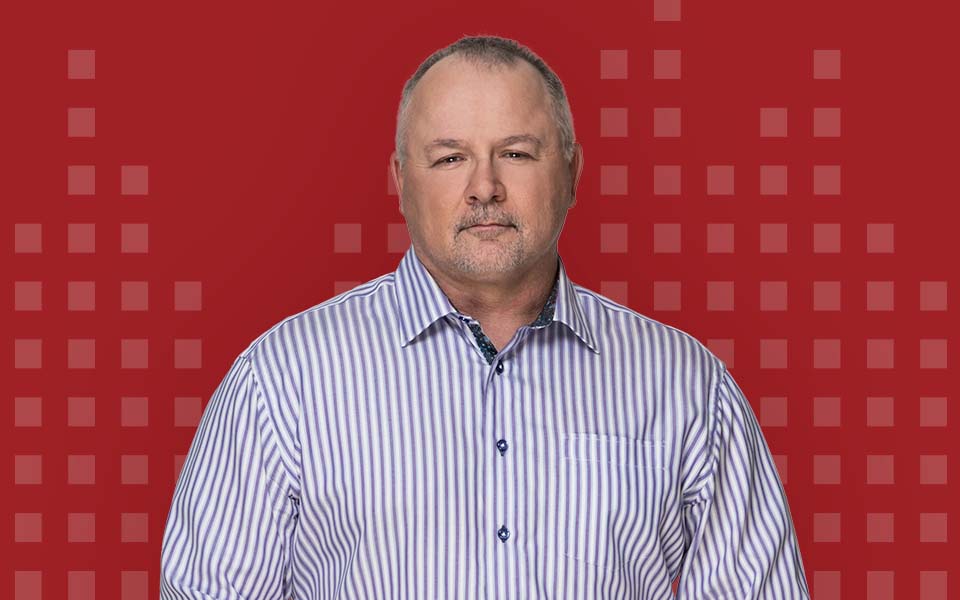
Mike Broomhead is Arizona’s leading talk radio host for a reason! He uses his business and life experience to address the issues impacting Arizona citizens today.
Whether it’s politicians, celebrities, or every day citizens making news, Mike Broomhead’s willingness to ask the hard questions of those “in the know” on a daily basis is why he has been Arizona’s go-to talk radio host for the past 15 years.
You’ve seen him on national television, heard him on syndicated radio shows, and enjoyed him on multiple podcasts. Rooted in fiscal and social conservatism, Mike leaves no doubt where he stands on any issue. He values conversations about right vs. wrong more than right vs. left. He fights for the freedoms of Americans and brings the hottest issues of the day to his listeners.
Inspired by the service and ultimate sacrifice of his brother Tom, who tragically lost his life on Memorial Day 2003 in Iraq, Mike initially made a name for himself speaking at the largest pro-troops rallies in the country. He was called upon to debate against the anti-war crowd on both television and radio and is now highly requested around the country to speak at events.
Mike has emceed Presidential rallies, subbed for Glenn Beck’s television and radio shows, authored the book “If You’re Gonna be Dumb, You Gotta Be Tough”, and has given countless hours to supporting non-profits across Arizona. Now you have a chance to bring him before your organization to inspire, educate and entertain your audience.


