THE DARK TRUTH BEHIND TEEN MODELING
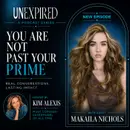
A chance encounter can change a young model’s life, but growing up in the industry can come at a cost. This episode features Kim Alexis in conversation with Makaila Nichols, author of Blatantly Honest, who shares what it was like entering modeling as a teenager while navigating school, body image, bullying, and intense industry pressure. Makaila opens up about eating disorder struggles, recovery, mental health, and the importance of having trusted adults and healthy support systems. She also ...


A chance encounter can change a young model’s life, but growing up in the industry can come at a cost.
This episode features Kim Alexis in conversation with Makaila Nichols, author of Blatantly Honest, who shares what it was like entering modeling as a teenager while navigating school, body image, bullying, and intense industry pressure.
Makaila opens up about eating disorder struggles, recovery, mental health, and the importance of having trusted adults and healthy support systems. She also shares lessons on boundaries, rejection, and trusting your instincts when something feels wrong.
Key themes from the episode:
- Growing up in the modeling industry
- Teen mental health and body image
- Bullying and eating disorder recovery
- Setting boundaries and trusting your instincts
- Finding support and asking for help
Listen to hear Makaila’s honest story and why the right support can change a young person’s life.
00:00 - Welcome And Guest Setup
01:16 - Getting Scouted At Macy’s
02:19 - The Showcase And Signing Young
03:35 - School Bullying And Weight Pressure
06:34 - Restriction, Bulimia, And Lasting Triggers
10:00 - Career Highlights And A Plan B
13:49 - Writing The Book At Seventeen
16:24 - When Home Isn’t Safe
18:03 - Finding A Voice Through Speaking
20:06 - Building The Blatantly Honest Foundation
21:35 - Starting A Podcast During COVID
25:58 - Sponsor Break Altitude Home Loans
26:28 - Talking Suicide Without Glorifying It
28:33 - Therapy And Practical Help For Kids
29:37 - Rejection And Building Thick Skin
31:44 - Social Media, Comparison, And Unplugging
35:24 - Choosing Friends And Letting People Go
37:35 - Gut Instincts And Boundaries On Set
40:51 - The Bigger Dream And Closing
Welcome And Guest Setup
SPEAKER_00
Hi, I'm Kim Alexis. Today in Paris, after Kelly is showing his collection of spring clothes. Hi, I'm Kim Alexis with your ticket to adventure. I'm Kim Alexis and I'm here in New York City. Got a great show coming up for you, so stay tuned.
SPEAKER_01
So I am here today with Michaela Nichols, and she is one of my youngest guests. She was a model when she was young. She wrote a book at 17, and she is now an advocate. So Michaela, welcome.
SPEAKER_02
Thank you for having me, Kim.
SPEAKER_01
Yeah, now most of the time when I have guests, I talk to them about childhood and how it teed you up for what you are now. But your book, this is your book, and it talks so much. It's called Blatantly Honest, and it literally talks so much about those teenage years and all the different transitions you went through. So there was like so much to ask. It still shaped who you are as a person. But for me, it was probably when you first started modeling. That guy that met you at the uh store at Macy's named Keith. Talk to me about that.
Getting Scouted At Macy’s
SPEAKER_03
Yeah, what a weird experience. And I'm sure you had something similar. And yeah, I remember I was shopping for communion dresses of all things at Macy's. And this guy's like, hey, do you want to be a model? I was like, dude, like, please get away. Like, just just give me your card and I'll talk my dad. I mean, I'm just like throw my dad at him. I'm like, you know, I gotta take it up with Steve, my dad. And uh I was like, okay, okay, like I'm not a creep promise. Um, and I never thought like about modeling. You know, I'm tall, so like, you know, people always say, Hey, you play basketball, volleyball, or do you model? And you know, it was one of those things. Yeah. Um, yeah, that that weird interaction changed my life.
SPEAKER_01
Yeah. So um you were deciding to obviously call him, but you weren't into modeling. So what made you finally go to that? So yours was more show up at an event, right? And you talked about all these other girls, and everyone looks beautiful and everyone's kind of second guessing themselves. Take me through some of that.
The Showcase And Signing Young
SPEAKER_03
Yeah, so it was an interesting, like again, I didn't know if it was a stam, but the guy was from Buffalo, and we're from Buffalo. And so if someone's from Buffalo, it's like, oh, yeah. I was like, it certainly can't be a bad person. They're from Buffalo. And uh he's like, hey, I'm having this showcase, like, you gotta come by. You know, all the top agencies are gonna be there. Will Amina Ford, IMG, next, all of them. They're all gonna be there, and you're just gonna, you know, put on a pair of jeans, put on a tank top, and just walk down. And uh, you got a little number. I felt like I was like a cow at auction or something. She's my number like walking down. And um, I ended up getting a bunch of callbacks. I was totally surprised. Because again, I was like, you know, every opportunity you say no to, you'll never know what could have been. So I was like, all right, I guess we'll try. And um, yeah, it it worked out for me. And I signed before Lamina when I was just 14 years old.
SPEAKER_01
So yeah, so you're 14, you're still in junior high, right? It was like middle school. I think it was middle school. Okay. So yeah, yeah, I guess that's the same terminology. And now all of a sudden, you're in a different category because you're working and these young kids.
School Bullying And Weight Pressure
SPEAKER_01
Take me through some of your friend problems.
SPEAKER_03
It it was really interesting. So I was actually one of the youngest people that Wilhelmina had represented at the time, and I was on like the women's board. So, you know, 14-year-old Michaela looked like 14-year-old Michaela, and I was competing against women that were, I don't know, had gone through puberty and were women and you know, we're more developed and all those things. And so I remember I was trying to fit that mold. I was trying to grow up pretty quick. So I was like, okay, I'm in this category now. I, you know, play my part. And I remember being at school all the time, and all the kids were like, oh, you think you're better than us, oh, you think this, and and the bullying got to be horrific. I mean, there was weigh-ins that I would have to do, and you know, 14-year-old Michaela's trying to chase a dream, and it's like, hey, you we don't care how young you are, you have to weigh this amount, your measurements have to be this size, and if you're not, you're not gonna make it. And so the kids were just really mean to me. I mean, they would crumple their food and throw it at me, and um, you know, the people I thought, yeah, talking about like, well, if you're not gonna eat food, Michaela, you might as well wear it. Yeah. Uh so I'm like, like it was just, I was trying to go after a career because I've always been like an old soul and always felt like I was gonna do something in this life. And and here I am trying to go after it, and all these people are just, you know, I felt like the the world was against me. Yeah. Um, you know, I traced drink.
SPEAKER_01
Well, and you were also hard on yourself, as was I. So when you were told that you were going to the agency, you would you picked Will Amina right in Miami?
SPEAKER_03
I did, I did.
SPEAKER_01
And they tell you to be 125 pounds. Now, how tall are you? 5'11? 6'5? 5'10 is three quarters.
SPEAKER_03
Oh, okay. Right. I only know that's because they're like, well, sometimes we're gonna say you're 5'10, and sometimes you're gonna be 5'11, but yeah, it depends.
SPEAKER_01
Yeah, no, I don't know. If anyone knows, I know. Uh but I know you to be 125 pounds at that height is near impossible. And so you my my thought is that you were almost harder on yourself than some of these girls. I mean, we bullied ourselves in a way to stay thin. And we almost had to in my mind, because your body's screaming it wants to eat, and your mind is saying, but I can't.
SPEAKER_03
Yeah, it was it was a challenge. I mean, and again, like being a kid, you want to eat kid things and snacks and candy, and you want to hang out after school and get pizza. And here I was, like trying to restrict myself. Yeah. And not because I mean it was, you know, totally forcing these here. I mean, my parents, they they tried to get me help, they tried to get me dietitians to do it the right way. But again, it was like when I would go to school, no one knew what I was eating for lunch. I would take my food and throw it out. And it was just, it was hard because I was like, Well, if you eat this, you can't do that. And I, you know, I would count everything. It really kind of became a detrimental process.
SPEAKER_01
Yeah, yeah, it
Restriction, Bulimia, And Lasting Triggers
SPEAKER_01
really is. And not only that, but sometimes it led you to bulimia, right?
SPEAKER_03
It did, it did. I mean, I either I I told a story in the book. It's like I was doing one of my first photo sheets ever, and they brought donuts. And I love donuts. Like, I have the biggest sweet cute ever. Like, if you're like, Hey Nikayla, you want ice cream, you want a donut? You want a banana split? I'm like, yes. Yeah. And all of them, right? Wow. And I remember like eating a donut, and then you know, I was like, okay, this can't be in my system because I have to go to the agency after. And I just remember like throwing up and like hiding it, and just it was just a very it was an awful process. Um, you know, and here I thought this was gonna like help me look skinny and look great, but it really ended up kind of starting to destroy my body and you know, it was hospitalized. My skin was turning like yellow. It was just I wouldn't wish it on anyone.
SPEAKER_01
Right. Yeah. So we were more concerned about that instant gratification in my mind too, like, oh, I eat this and immediately it's gonna make me gain 10 pounds. Well, that doesn't happen, but that's what we know, right? But uh growing up, then long term is gonna make you look haggard and tired, and I mean, all those other things. And we weren't thinking of that. It's just a it's a vicious, weird, horrible place to be in. And you and I both are advocates for talking to these young kids about, hey, do things the right way. Healthy is better. Healthy is certainly better.
SPEAKER_03
I mean, just what it does to your esophagus, and like in the moment, you're not thinking of the long term thinking of what it's doing to your body, because I know I wasn't like I can't speak for everyone, but I was like, I need to do this so I can you know eat the donut and feel like oh, she's foreign, she's eating a donut, she's good. Um and it was just it was a wild, wild experience.
SPEAKER_01
Yeah, well, and and people to me still look at you're eating that, you're a model, you're not supposed to eat that. And I'm like, geez, I'm a human being. Uh I'm like, what I'm like, what are you eating?
SPEAKER_03
Like, you know, it it's just it's a crazy standard, like, yes, I know you have to be certain measurements that fit certain things, but it at what point are you just you know killing yourself, literally, because your body can't. I mean, now, like, even when I suck on a scale now, I'm like, ugh, because I'm only the measure in 25 pounds and not even twice. And you know, like I I the long-term effect, like I never thought, like, even when I go to the doctor, I'm like, don't tell me how much I weigh, because like it triggers in me, like younger Michaela being like, oh my god, I'm not 125 pounds, like I'm big. And I know I'm not. Yeah. But the the psyche that it like, you know, took on my brain was just something, something else.
SPEAKER_01
Yeah, well, you're now married, and we were talking before we got on here about babies. Just wait till you're pregnant, and then after the baby.
SPEAKER_03
She's like, You're gonna have to be really making time to eat, Michaela, throughout the day because you're gonna be eating for two. I'm like, Yeah, I know.
SPEAKER_01
Yeah, yeah. And that's that slow transition of putting the baby before yourself, and and you'll get there. You'll be a great mom someday. But heading to heading back to when you were a teen. So what happened in your modeling career? How far did you
Career Highlights And A Plan B
SPEAKER_01
take that?
SPEAKER_03
You know, as far as I feel like the opportunities were, I mean, I was still living like in Florida. So I was still enrolled at a private school here in Florida, which actually allowed me the ability to be able to go and travel. So I was living, you know, part-time in New York, part-time in LA, uh, doing things in Miami. Um, but I was never fully like there for like, you know, forever. It's like, oh, Michaela lived in New York for this, you know. So when the opportunities would come, it was great. I mean, I did several, you know, a couple campaigns. I did a lot of e-comm work. Um, and I always say it was like before Instagram was a thing, is like, sure, you can relate too, because it's like, you know, uh people matter like, you did what? I'm like, yeah, it was like before Instagram. Um so, but yeah, I did a lot of different gene campaigns, worked some with some amazing, you know, different swimwear companies and just a lot of a lot of fun editorial shoots. I feel like I was always doing something creative because it was like, well, she has a commercial face, but her body is like super editorial, so I was always doing these weird shoots. Yeah. Um, but you know, I I wish some parts of me wish I could have like fully devoted myself to it. But then I feel like, you know, I was supposed to have those experiences to kind of help mold me and shape me and give me a platform. Um so I was happy with my career in it. I mean, walking in New York Fashion Week and all those.
SPEAKER_01
So no regrets.
SPEAKER_03
No regrets. I mean I I hate to say the word regret because I think, again, like I'm on a certain path and I feel like God has always kind of like shown me the way and I've always kind of held true to where I am, especially now as I've gotten older. But all these experiences have helped mold me so I wouldn't go back and change, you know, what I was choosing at the time. But I definitely feel like I should have had a little bit thicker skin and stood up for myself more.
SPEAKER_01
Yeah, and that's that just comes with experience. I I I and some people I don't think do get the thick skin. They either internalize it and it it can bl, I guess in a way it can blow you up. You know, it can really affect your mental state. But going back to this strength that you had that you probably didn't realize you had. So now you're in high school, you're graduating, and then you talked about getting into college. And did you end up going?
SPEAKER_03
I did. And I, you know, going back to your question before, it was like, okay, how far did you get? And I, you know, my dad didn't go to college. My dad's always been like a role model to me. And my mom, she taught preschool, went to school for four years. So it was like my parents, you know, really wanted me to have like a plan B, so to speak. And I totally respected that. Um, so I did. I went to the University of Central Florida, um, go nights. And it was great, you know, all the while I was still, you know, I I lived in New York City and was and was so modeling for like a little bit of my college time, which was really cool to be able to do some of my classes online. Uh, but I did get my degree. So you did. It was worth yeah. I sure did. I was in a sorority and everything in different little volunteer groups and and all the things.
SPEAKER_01
There you go. Well, that's my regret. I didn't go to college, I was discovered at 18 and whisked off to New York and worked right away, so I never went. So now it's never too late. Well, I have definitely taken a lot of courses in the last couple of years, so I'm certified in a lot of different things, but that's a whole different other thing. So um for you, I love talking about um some of your uh you really had in your book when you talk about so many things, you really dive deep into what you went through, what it taught you,
Writing The Book At Seventeen
SPEAKER_01
and how to help other people. And I love that about you because uh you really used your experiences to help shape others. Do you think you were like that before you had some of this trauma and drama? Or do you think that that was something that you just learned?
SPEAKER_03
I think my parents have assoled me from a young age like service. I mean, I remember going with my dad. I mean, he was involved with so many different organizations, whether it be, you know, make a wish or he was on the board of hospitals. And my mom, like, we would volunteer, like, you know, a place for homeless people, people who are homeless, but at the time would go for food. And so I always had like, I feel like I need to help others in the I just didn't know what that looked like for me personally until I experienced all these things. And, you know, I always say, well, it's a very well-known saying, God gives us toughest of battles through the strongest of soldiers. And I feel like all the things I went through was, you know, going back to regrets. Like I don't regret any of the things that I'd had to experience or that have happened to me. Right. However, how shaped me into who I am and and what do I do with it? Do I want it be the end of me, the death of me? No. I can take those and share how I was able to overcome. So hopefully it'd help others who might be going through the same thing. So I feel like I went for a reason.
SPEAKER_01
And that is what drove you to write your book. I mean, who writes a book at 17?
SPEAKER_03
You know, I don't know. I it's so funny. I never thought I would be an author. Like that was like the last when I was younger, I was like, I'm gonna work for the SBI or the CIA. I was trying to take like Mandarin, like I was really, Kim, like that was what I wanted to do. Like criminal minds was my life. I'd read criminal profiling, all these things. And one day I was literally in the shower and something came over me and it was like, go write, like, go write about it. I was like, what? And I did. And I remember going over to my computer and like writing like 5,000 words in one go because I just felt like so. It was that's a lot of words. Um, and it just like flew out of me. And I my parents were like, I think you have something here. Right. Uh and it and it was the beginning of a journey I never even thought I would be on.
SPEAKER_01
Right. You keep bringing up your parents, and I know you've talked about your parents being your heroes or your role models in your um the book, again, going back to your book. Um, what do you say to young people? Because I had great parents too. What do you say to young people that don't have a good home life?
When Home Isn’t Safe
SPEAKER_01
Hard.
SPEAKER_03
Um, you know, I being able to travel and speak at schools and even, you know, relationships close to me, I have seen how important parenting is. And I think sometimes when there's not a really safe home environment, I think that obviously changes with children. And I think they mimic, I mean, they mimic what they see. And so if their parents are mean at home, children often mimic that. And, you know, it's nothing to say that, oh, some people are just bad parents. I don't think that's the case. I don't think they understand that what they're showing their kids has repercussions. And so if someone doesn't have a good home life, I always encourage them. I'm like, someone in this life, whether it be a friend or someone else's parent or a teacher, like learn after them. Take from them, like open yourself up to them because those relationships are so important. And, you know, unfortunately, we're a product of our environment. So sometimes when our environment is poor, you know, it it leads to someone behaving in that manner. So it's it's really important to try to find someone who, you know, at least is positive. Um because unfortunately I've seen I've seen some stuff. Um, you know, and it's always easy to point the finger when you only see one side of things, however, you know, people are how they are for a reason. And it's what is that reason? And more importantly, how do I not repeat, you know, the behavior?
SPEAKER_01
Right. So from that, I think as we're older and people listening to this, to try and find someone to mentor and be a good example to, right? And then that led to your becoming an
Finding A Voice Through Speaking
SPEAKER_01
advocate. So can you talk about how that evolved to becoming this voice for people that are having problems?
SPEAKER_03
Yeah, again, like I never thought I was the most shy person. Like public speaking, like, you know, they always say like people's number one fear over like death is public speaking. And like that used to be me. Like, if someone called on me in the classroom, my face would turn like blood red and I would just like shut down. And so I was like, don't talk to me, I have nothing to say. And um, you know, the book really kind of changed all that for me. It was okay, hey, the book came out now. What? Hey, Michaela, why don't you go and speak about it? Let's go do a book tour. Let's, you know, let's go having talk to some kids about what you went through. And I was like, oh my God, like I don't think this is a good idea. And I don't know. It was a gift that I had in me that I didn't know was there. Um, and every time I would speak, it was like, and I hate to say this out loud, but I'm gonna admit it to you, Kim. Like, I don't prepare. Like, I I don't prepare before a speech. Like I have, you know, an outline of like kind of what I want to say, but I I wing everything because but that makes a good speech, and that's you. It's okay. Yeah, and exactly. It's not the same. Like every time I say something, it comes out different because I don't know what I'm gonna say. And so I'm it and and it's worked for me. And and from that, just my my honesty and my authenticity has just led me down this path of speaking and coloring books, and then the podcast. It was it's all just happened organically, and I'm trying to just go with the flow because I feel like this is truly my calling to share my story and and talk to people and hopefully help them through dark times.
SPEAKER_01
So, but when did you create, was it kind of creating this foundation called Blatantly Honest, which is what your book is, right?
SPEAKER_03
So, you know, between the book and then the speeches and all that stuff, I went, like I said, I went to college and I was going to school for advertising. And you know, I meant, I did my four years, I graduated in COVID, weird.
Building The Blatantly Honest Foundation
SPEAKER_03
And I yeah, I was like, I go to school for four years to graduate from my couch. Nice. Yeah. Uh I'm like, good, this is really all the hype. Um, and it was like, okay, Nikela, like it's time, it's time for you to get a job. Like, that is the next thing. And I was like, you know what? I think, you know, this plan of all these crazy things that have happened, I want to start a 501c3 nonprofit. Like you go to school to learn how to make money. I was like, no, I'm gonna do the opposite. I'm I'm gonna raise money and then help. Um, and so crazy, but again, like that was just kind of how how everything happened for me. And the foundation just meeting so many different families who, you know, have their child as being bullied or they've lost their son or daughter to suicide because of these awful things that they're going through. I just feel like it was the path I was supposed to go down. Um, and I've had so many other amazing opportunities that have kind of been like the job, and then it's like I get to have the passion in the heart for what I want to do and pay my bills, but also like, you know, help because that's really where my heart is.
SPEAKER_01
Yeah. So then you formed the foundation and then you started the podcast? So I was like, yes, it was foundation, then podcast. So how did I mean I've been on your podcast, but yeah, please go back to the book. I love just hearing how these things come about because I can talk to you about my life, but we're here for you. So how did your podcast come about?
Starting A Podcast During COVID
SPEAKER_01
And do you feel like you reached enough people?
SPEAKER_03
I feel like the podcast again came about organically because especially during COVID, it was like, okay, I can't go speak in schools, I can't go show up, I can't, you know, and I know all these amazing people from my, you know, career in modeling and all these fun things. And it's like, I know all these really awesome, successful, inspirational people who have dealt with some crap. And I can't, you know, go and talk to the kids. I was like, I'm gonna talk to my friends. And so I would, you know, start interviewing people because, you know, people look at you, Ken. They look at, you know, my friend like Kevin Hines, like all these people, people that have gone through things, but they've they've made a name for themselves and they've done it the right way. And so the podcast really stemmed from, okay, I can't go talk to kids. What can I do to still inspire people? Um, it's downloaded in over 36 countries, which is crazy. Like I I don't even think I could rattle off 36 countries right now. Um, but but I have I have a map of them. Um, and you know, it it's been something I did a bunch of episodes straight out of the gate, and then, you know, it was getting downloaded and per siege, and then I did another siege, and then I had you on. And so, but I'm I'm letting people kind of catch up for a little bit before I kind of just totally rev it back up because there's so many powerful stories right there that I want people to hear.
SPEAKER_02
Um, and then we're on the way.
SPEAKER_01
Yeah. So what are you doing now?
SPEAKER_03
You've gotten married. Yes, I got married. Um, still, you know, very busy with the foundation. I actually just spoke to a group of kids the other day. And uh, as we've been sitting here, I've been getting text messages. This the kids actually did like a project about my book and like presented my story, and I was gonna try to go watch, it didn't work out. But you know, still speaking engagements um often. So if anyone wants me to come and speak at their school, I would be honored to just, you know, parents, teens, all of it. I love love traveling and talking to kids. So definitely doing that. Is it our first golf tournament? That was super cool. I'm just yeah, right after I got married, crazy. I was like, you know what? I should we're like, let's plan a golf tournament like two weeks after I get back from my my honeymoon because that's how my brain works.
SPEAKER_01
Uh you're you have a sky's the limit brain, right? I do. It gets me in trouble. I'm like, I'm like, Michaela does not get you in trouble, it gets you to the next thing.
SPEAKER_03
It does. It does get me to the next grade. But sometimes, you know, it's like I gotta sit back and enjoy life a little bit. And I think I'm at the point now, like I want to write a second book, so I'm working on that. And just finding new ways to just reach people and and speak with them. I think, you know, social media, I think is good and be able at the same time. And I'm trying to find ways, you know, just like we're doing right here, right now, to be able to connect with people and share my story, you know, in a virtual way. Um, you know, whether it be on social media, TikTok, Reels, whatever, I think there's there might be a little pivot in my future uh to be able to engage with more people.
SPEAKER_01
I I look back at your a book, we'll keep talking about it, but um sometimes that social media when you were young, right? You're 14, 15, and you there are people that would write on your social media you you were the biggest whore, or eat some food to look disgusting, or I hope you die. I mean horrible horrible things that were used to to really like try and poison you and taint you, and now you have that same platform to be able to use it for good. I think that's a big, huge turnaround.
SPEAKER_03
It really is. And again, like you know, like I said earlier, I could either let it be the end of me. I mean, my brain went to that place of like, I don't want to be here anymore because you know, I started to believe it. I started to believe that I wasn't good enough. I started to believe that my life didn't matter. And I was like, wait a second, like you you have a family who loves you, you have people who love you. Like, just because there's a few not so kind people, you're gonna let them win. Right. And I and I don't like when the bullies win, you know, that just I'd rather roll over in my grave one day than let, you know, let the bad guys win. Right. But I I just, you know, I like I said, I feel like I went through everything for a reason, and it's really allowed me to be able to hopefully save some lives.
Sponsor Break Altitude Home Loans
SPEAKER_01
Thinking about buying a home, but not sure where to start? Jeff Schwartz at Altitude Home Loans makes the process simple. From application to closing, Jeff helps you find the best loan for your financial goals and keeps everything moving smoothly because the right team makes all the difference. Ready to get started? Apply today with Jeff at Altitude Home Loans. When
Talking Suicide Without Glorifying It
SPEAKER_01
you speak, is there one resounding topic or question? I guess those are two different questions for me. Um probably your biggest talk is about bullying slash suicide, correct?
SPEAKER_03
Correct. Yeah. I uh when I go and speak, I I always have like a little heart to heart with whether it's the principal or whoever's, you know, putting on the assembly. And I'm like, look, I can talk about XYZ. Here are the topics. If you want me to start, because unfortunately, as I'm sure you know, suicide is one of those hot button issues. Um, where it's like, well, like let's want to talk about suicide. Um, just like how they don't cover it on the news because they don't want to glorify it. And I think the reality is that, you know, it needs to be talked about because I think people suffer in silence. And unfortunately, that's that's the result. And I and I think like, again, it's it's one of those things where it's like, yeah, we don't want to see it on the news. So that would be super depressing. But again, like these people need help, they need resources. And so when I talk about, you know, when I talk to these schools, I'm like, look, I mean, I I shared the story. There's a beautiful soul who I never got to meet. Her name was Isabel. And I actually flew to her family's house in St. Louis, Missouri. And I stayed in her house, and she dealt with bullying so severe that ultimately it drove her to end her life. I mean, she posted on social media, she said, should I? Not should I go to the mall? Should I buy new shoes? Should I? And I forget the percentage off the top of my head right now, but it was like over 70% of people that took part on this poll, they said yes. They did not know what she was referencing. And that's the reality of the world that we're living in. And I think it is so critical and so crucial that we talk about it because you know, she might still be here today.
SPEAKER_01
Yeah. So do you give these young kids tools to um combat what's going on in their mind?
Therapy And Practical Help For Kids
SPEAKER_03
I try. I mean, again, like I'm not I'm not a doctor, I'm not a licensed therapist. I've taken many mental health classes and stuff, but you know, I get I give them the resources that I can, you know, whether it's the suicide prevention line or different anti-bullying organizations. But again, it really comes down to talking about it. I'm like, you know, go to therapy, talk to someone. There's something I go to therapy, I love therapy. Like I think we all know we all we all need to talk to someone about something. And no, I I think that's something that again, it's like, oh, you go to therapy? I'm like, yes, like it's great. Like you can talk about anything. Right. And I tell these like, you shouldn't be ashamed of, you know, the feelings you feel, but if you keep them inside, and what if we help you? And, you know, unfortunately now with anxiety and all these things, like in an all-time high, I mean, again, like I'm not anti, like, hey, you don't take an anxiety rat or whatever. I'm like, there are resources and ways to help. You just have to be brave enough to admit to someone, like, hey, I need help. Right. Um, and figure out what that looks like for each individual.
SPEAKER_01
Right.
Rejection And Building Thick Skin
SPEAKER_01
I always find it interesting too in the modeling business. What I always said was rejection was a big part of being in the modeling industry because you're never going to be the right look for everybody, right? And you and I went through it where people would be like, nope, she's not the right one. And sometimes people take rejection so personally. And I think it helps with awareness when they understand we're all rejected. It doesn't mean anything. It doesn't mean you're not valued, it just means you're not the right person for that one thing. And then you look around like, oh, a healthy person looks around. Okay, well, what else do we what's what else do I have? What else is out there?
SPEAKER_03
Yeah, no, I mean, so true, Pam. I think rejection, like going back to every every kid gets a trophy now. I'm like, oh my God, like what are we teaching these kids? Because like every kid does not get a trophy. Like sometimes you don't win. Sometimes you have to be told no, because you know, rejection leads you to a new sense of direction and it re-it forces you to move through different, you know, pathways in life. And I mean, for me, being told, okay, she's not gonna get this job, or yeah, d did I want that one gene campaign or whatever campaign. Yeah, but did she just yeah, like, you know, and it it led me to another job or to another opportunity, and like the same with with, you know, trying to think of something life, life, yeah, the crazy thing called life that we're all experiencing. I mean, we're we're supposed to be as long as we follow our our heart and our soul, like we will end up where we need to be, and we have to be okay with certain doors closing.
SPEAKER_01
Right. And there's something about these young kids needing to develop a thick skin. And you and I have talked about thick skin, and that's part of I think the rejection is like, okay, well, you know what? That didn't penetrate me. That's just words, or that's just an action, or that's just a job I lost. Um, so to me, you you talk about that a lot too, is is developing this thick skin. And it's almost, it's not that I don't care, it's that I don't care that you think that.
Social Media, Comparison, And Unplugging
SPEAKER_01
Right? Or you're allowed to have your own opinion or something.
SPEAKER_03
I I think again, you know, when I talk, I always say the the little phrase, six and stones might break my bones, but words will never hurt me. And I'm like, that's all true. I think unfortunately, words do hurt if you allow them to.
SPEAKER_01
Right.
SPEAKER_03
And going back to the thing of, I mean, I still deal with just some really gem of people like that still try to like, you know, take me down and say words and call me all these things, like, oh, she's this, oh, she's this. And I'm like, what? Like, number one, you don't know me. Number two, you're never gonna know me. And three, I don't care. Like, if if I'm going to live rent-free in your head that much, like, thank you for thinking of me. Right. And I never thought I would get to that point. So I was like, oh my god, like, mom, like this person hates me. Like, I don't know what I did. And now it's like, I just don't care. And and you can't just get down to that level because the moment you do, you let you let them win. Again, it comes back to letting them win if they know they've got to you. Yes. And and I don't let hateful, spiteful people win.
SPEAKER_01
Yeah, exactly. Number one, you just don't stay around them. And number two, in my mind, I always say, Oh, that's your opinion, right?
SPEAKER_03
Nice, yeah. And again, like I none of us are perfect people, and and we all have problems. And sometimes we say the wrong thing. And at the end of the day, it's just if I know who I am, that's all that matters. I'm like, God knows who I am, I know who I am, and those that's it.
SPEAKER_01
And anything else is irrelevant, right? But teaching young kids who they are sometimes is tough. I think sports helps. I think out outdoor activities from school can help. It define it gives you an ability to have successes, whether they're small, little successes or or big giant ones, probably, but um it to define who you are when you're young, as you know, it's it's tough. It takes experience. Yeah.
SPEAKER_03
And I think with social media, I mean, I I have a bonus, a bonus daughter, I call her. And you know, she's eight years old. And and social media, I mean, I I see them on their phones, and I'm just like, my girl, I'm like, let's let's go climb a tree. Like, let's get away from these phones because the kids unfortunately are getting younger and younger. They're getting on social media, they're they're comparing themselves, and it's like, let's let's find ways to be a kid, let's find ways to unplug, let's because now everything is so accessible. I mean, just between body image and bullying, it's like it it follows you around in your pocket, and it's getting younger and younger because it's becoming more morally acceptable for these, you know, for our children to have cell phones. And I'm just like, oh yeah. Like, if I would have a cell phone when I was going through all these things a little bit younger, like I can only I can't imagine. I truly can't.
SPEAKER_01
Well, you even had social media at a young age to get all those ugly thoughts that people would say to you. I mean, I grew up with none of that. We didn't have a cell phone.
SPEAKER_03
That's broke. I I wish I didn't have a cell phone at the time because you know it it back in back in the day, I hate to say that because you're not old, Tim, and neither are my parents. And it's like, you know, back in the day, bullying happened at school and all that stuff happened when you were around people and it didn't fuck at you home. But now the kids go to school and it follows them home. And that's part of the problem.
SPEAKER_01
Yeah, yeah. And choosing your friends. I mean, you spoke a lot about friends and that some were friends, and then all of a sudden your circumstances changed and they didn't understand you and listen to the lies and it it
Choosing Friends And Letting People Go
SPEAKER_01
hurt. I mean, it hurts, right? But true friends are there through thick and thin because they know who you are.
SPEAKER_03
Yeah, absolutely. I mean, I always tell people, you know, people come into your life as a blessing, a lesson, or a curse. And that's that's what they are. You know, it's it's either they can add to your life or they can take away from your life. And sometimes, you know, we'll let the wrong one in and it's a lesson. Yeah. Or a curse. Or, but again, it's it's you are who you hang out with. And I uh it's funny, I've always hung out with people who are older than me. Like none of my, I mean, I do have a few friends my age, but all my friends are like in their 40s, some are in their 50s, because I had always looked up to people who, you know, are stable in who they are and are going after those careers and are trying to be change makers because that's how I want to be. And I want something, I want goals to chase, and I want people to inspire me to be in my, you know, my bubble because I I want to grow.
SPEAKER_01
Yeah. Do you have any advice for these young kids who are listening to this that might say, well, how do I find a good friend? Like, how do I know?
SPEAKER_03
I always say be the best version of yourself you can be to people. Start with that because and be be you. Like, don't try to fit into what you think that they want. Like, if they really like you for you, they will like you for who you are, not who you're pretending to be. Yeah. And I'd say, you know, if you're hanging out with people that like to party and whatever, okay, cool, good for you. But that's what you're and if you date partying and stuff, like why why put yourself through something to be uncomfortable? And, you know, the right people, like I said, will stay and the wrong ones will go. And sometimes some we are friends for a certain amount of time and something will happen. It's like, let them go. I mean, I read the book Let Them and I love that book. Like, if you have not read that book, ten outs Henry in that book, because it you just you have to let people make their own decisions and let them like release yourself of other people's expectations and and be true to who you are, and the
Gut Instincts And Boundaries On Set
SPEAKER_03
right people will stay with you.
SPEAKER_01
I also had this check in my spirit, and I would call it a I'm sorry, a gut feeling. And to me, it was in a certain situation that was manipulative, I'd get this churning in my stomach. And it might be in a modeling set, it might be somewhere, and I knew, no, that's not right. They're trying to force me into something. Did you ever have that?
SPEAKER_03
I did. I have had some uncomfortable moments where, you know, like you said, it's like the gut churning or like the hairs, you're like, this, this isn't right, or no, I would I would call my dad. Like, I be like dad, like this is what's happening. Like, I'm uncomfortable. I mean, I I did this one shoot and I told my dad like what was going on, and he's like, Absolutely not, I'm gonna call that photographer right now. And I was like, So, you know, I'm like, I'm like, sorry, my dad said no, like Yeah, yeah. It's it's weird to like be put in those situations where you know you can't you feel like you can't advocate for yourself because now I'm like loud and like haha, like you thought. But you know, when you're in those situations, it's sometimes hard to to find your way out because you feel like okay, well, I need to do this to further my career, or I need to do this, I need to be around this person, and it it can get icky.
SPEAKER_01
Yeah, yeah. But the best thing is to walk away. You gotta listen to that inner voice, you gotta listen to your gut. And I used to have the agency get mad at me for walking out of bookings. I'm like, I don't care. This is like the wrong thing, and you shouldn't have put me in that situation. People need to be held accountable. I truly think, especially these older people who are, you know, steering young people's careers around, you need to be held accountable. A thousand percent.
SPEAKER_03
I it's it's refreshing to hear you say that because I mean, obviously, that's such a tremendous, incredible career. And, you know, for for someone who's trying to get to like a level of like you, it's like, oh my gosh, like how do I, how can I get to that level? How can I be true to myself, but not, you know, anger the booker or anger the agency? Because it's it's scary when you're in that position. Like, oh, you need to go to this dinner, Michaela. Like, okay, why? Yeah. And yeah.
SPEAKER_01
Why? Yeah. People don't miss why enough.
SPEAKER_03
No, no. I was like, oh, free dinner, cool. Like, are we actually gonna eat? I don't know.
SPEAKER_01
Like, oh yeah, what does that dinner mean, right?
SPEAKER_03
Yeah, yeah. What's a climate dinner? You know, like who's who's all gonna be at said dinner? Um yeah, but it's and again, it's you find yourselves in situations thinking you're making all the right choices, and unfortunately, sometimes they're just uncomfortable or there's icky things around, and it's just how do you how do you stand up for yourself and and advocate for yourself?
SPEAKER_01
Yeah, and you gotta believe in yourself first to be able to do that, as you say.
SPEAKER_03
Yeah, and it's it's an ongoing process. I mean, some days I believe in myself more than others, and some days I, you know, I'm like, you can do all of it, and some days I'm like, ooh, like what do you do? And and you know, I think, I think that's good. I think yeah, it keeping our ego in check is really important. Yes. Um, but also making sure it aligns with our values at all times is is crucial.
SPEAKER_01
Yeah.
The Bigger Dream And Closing
SPEAKER_01
So what is next for you since Miss Sky is the limit girl?
SPEAKER_03
Um, definitely want to write a second book. Um, I'm actually thinking about trying to take people on a journey, like trying to like document the process through social media about me writing a second book, um, and all the while like sharing advice as I go. Um, I think that would be really motivational and well received. So definitely working on a second book, trying to find ways to reach more people through social media. Um, you know, and again, like I just want to share my story um without necessarily asking for a dollar. I just want people to know that they're not alone. So finding new ways to do that. Yeah. And um just, you know, I I always say man plans God laughs. And so I'm not really sure what else, but I but I know there's a lot of things on the quank line and what would be your biggest dream though?
SPEAKER_01
Something you think that might be unattainable?
SPEAKER_03
I used to love the Ellen DeGyra show. And when I was younger, I was like, I want a show on broadcast where I can sit down and do exactly what I'm doing with the podcast that I want more people to see. And now I know we're getting a little bit out of the broadcast realm and now things are on social media. So I just want to have a full-fledged where like there's a live studio audience and people can meet, you know, their favorite celebrity or whatever, but we can inspire people together. Like that is my goal in this life to, and you know, I've been able to do that through the podcast, but I want it to be bigger. I want it to be bigger and better, and I want it to help more people. And yeah.
SPEAKER_02
And you want it to be blatantly honest, right? Sure do. Yes, blatantly honest. I love it. I know. I'm like, Kim, that you crushed it for me.
SPEAKER_03
It's Kim's show, everyone. You know, then Kim, you can leave blatantly honest for sure. But um, when that happens, I definitely need to have you on as a guest.
SPEAKER_01
Oh, there you go. Again, yeah. On a few level. Well, you and I get together and it brings up stuff of where we had to draw boundaries or where we had to uh stand up for ourselves or how we did that or why we did that. And I think that this is a big subject for these children and they need to hear it. And children are teens and 20s, and uh, you know, young people for me, since I'm in my 60s, a lot of everyone's younger. So it's time to give back.
SPEAKER_03
Absolutely. That's all I always think it's time to give back. I think it's never too early to start trying to inspire others.
SPEAKER_01
Yeah, and be a good role model for people as you go. Yes. Yeah, the world needs more good role models.
SPEAKER_03
I don't know. The world's a crazy place, and so if we can all be our best and try to do good and be good, then you know the world will be better.
SPEAKER_01
Yeah. Well, thank you, Michaela. I loved talking to you. I really appreciate it.
SPEAKER_03
Likewise, thank you for having me. I appreciate all you're doing.
SPEAKER_01
Thanks for watching the show. If you have any questions for me or you want any more information, go to Kim Alexis.com.


